

The Legacy of Indian Basmati Rice: History, Evolution, Health Benefits, and Why It Remains the World’s Finest Rice
Introduction
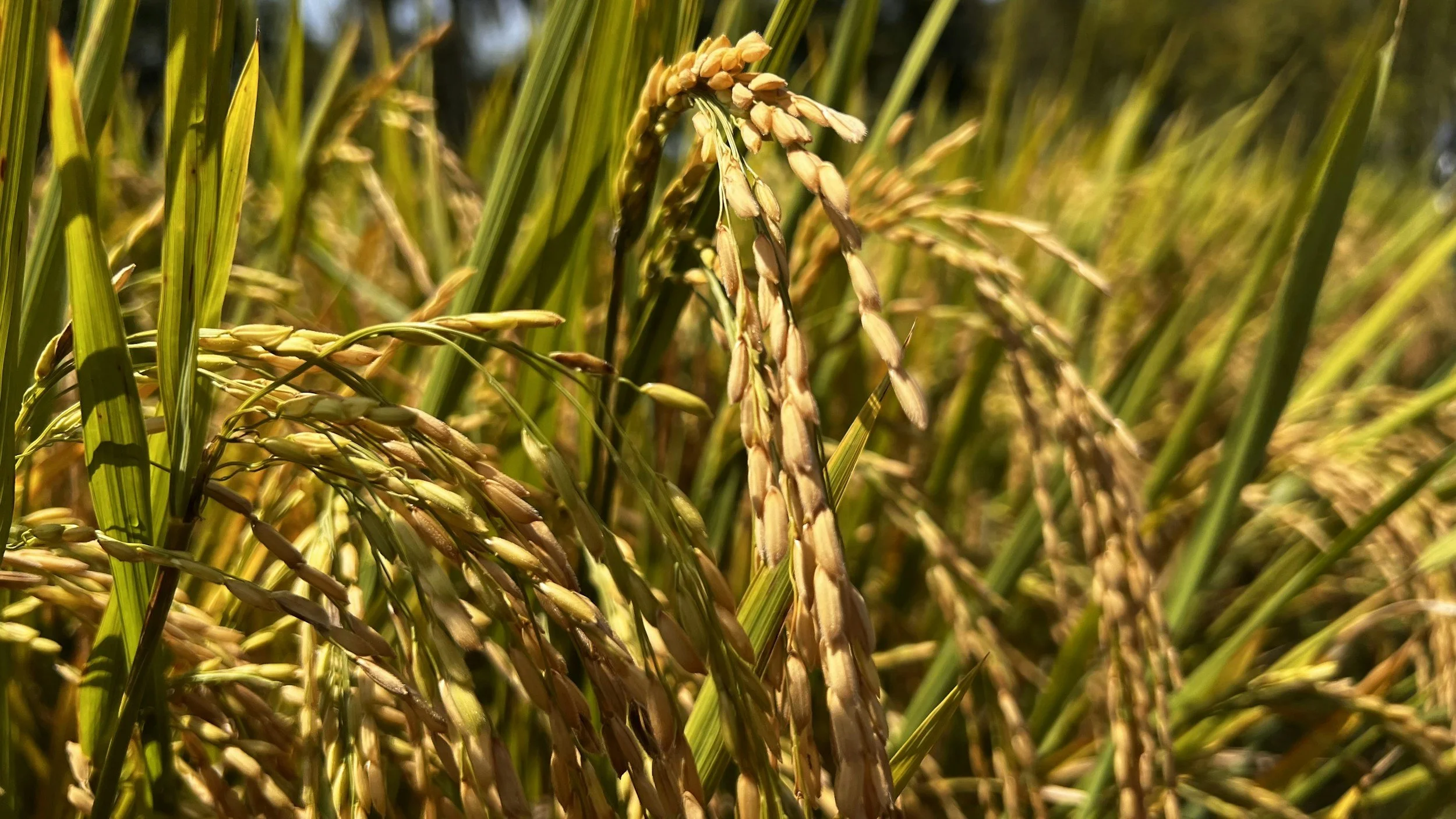
Few agricultural products are as deeply connected to India’s history, culture, and culinary heritage as Basmati rice. Revered for its captivating aroma, elegant long grains, and exceptional cooking qualities, Basmati has been cultivated in the fertile plains of the Himalayan foothills for centuries. Today, it is one of India’s most prized agricultural exports, enjoyed in homes, restaurants, and celebrations across more than 150 countries.
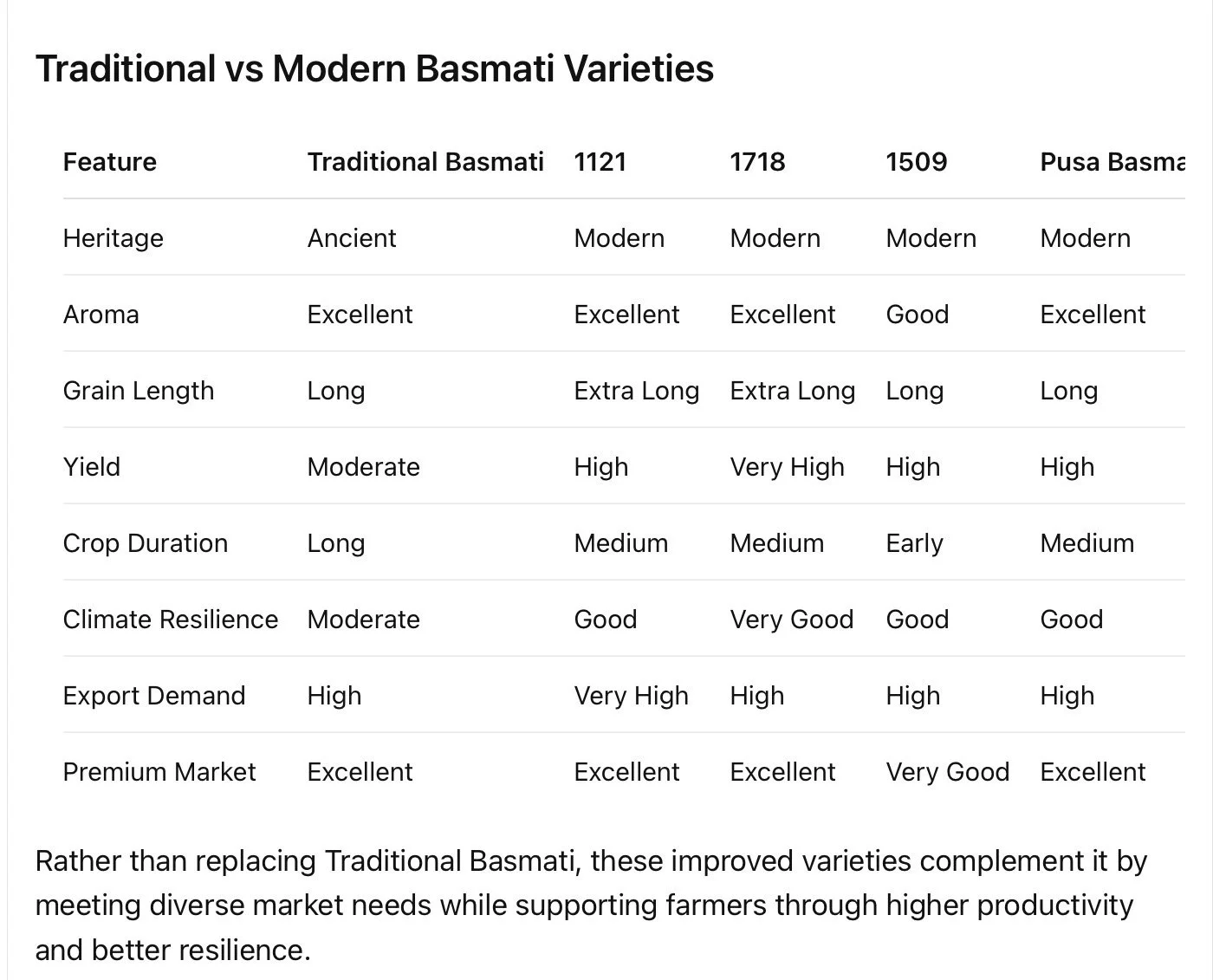
While Traditional Basmati Rice remains the foundation of this legacy, decades of agricultural research have led to the development of modern varieties such as 1121 Basmati, 1718 Basmati, 1509 Basmati, and Pusa Basmati. These varieties retain many of the characteristics that make Basmati unique while improving yield, disease resistance, maturity, and grain quality.
At Anantaa Aahaar, we celebrate both the heritage and innovation behind Indian Basmati rice, bringing the finest varieties from India’s fields to tables around the world.
⸻
The Ancient History of Basmati Rice
The word “Basmati” is derived from the Sanskrit words “Vas”, meaning fragrance, and “Mati”, meaning full of or possessed of. Together, the name signifies “the fragrant one.”
Historical records suggest that aromatic rice varieties have been cultivated in the Indo-Gangetic plains for well over a thousand years. References to fragrant rice appear in medieval literature, and by the Mughal era, Basmati had become synonymous with royal kitchens, where it was used to prepare elaborate dishes such as biryani and pulao.
The unique terroir of the Himalayan foothills—including fertile alluvial soil, pure river water, and distinct climatic conditions—gives Indian Basmati its characteristic aroma and cooking quality. Because of this close link to geography, authentic Basmati is protected under Geographical Indication (GI) status.
For generations, farming families have preserved the cultivation of Basmati through traditional agricultural practices, making it an enduring symbol of India’s agricultural heritage.
⸻
Traditional Basmati Rice – The Original Treasure
Traditional Basmati is the ancestor of today’s improved varieties. Grown primarily in Punjab, Haryana, Uttarakhand, Himachal Pradesh, Jammu & Kashmir, Delhi, and western Uttar Pradesh, it is renowned for its delicate aroma, slender grains, and remarkable cooking qualities.
Characteristics
Naturally aromatic
Slender grains
Soft texture
Excellent grain elongation
Rich flavour
Low stickiness
Premium dining quality
Challenges
Although prized for its taste and aroma, Traditional Basmati has certain limitations:
Lower yield per hectare
Longer growing season
Greater susceptibility to pests and diseases
Higher cultivation costs
Less resistance to climate variations
These challenges prompted Indian agricultural scientists to develop improved Basmati varieties without compromising quality.
⸻
The Evolution of Modern Basmati Varieties
Indian agricultural research institutions, particularly the Indian Agricultural Research Institute (IARI), spent decades improving Basmati through selective breeding. Their goal was not to replace Traditional Basmati but to preserve its defining characteristics while addressing the practical challenges faced by farmers.
The result was a new generation of Basmati rice varieties that offer higher productivity, shorter crop duration, improved resilience, and excellent grain quality.
⸻
1121 Basmati Rice – The World’s Longest Rice Grain
Introduced in the early 2000s, 1121 Basmati Rice revolutionized the global rice industry. Developed through years of scientific breeding, it combines the fragrance and elegance of Traditional Basmati with exceptional grain length and higher productivity.
Why 1121 Became a Global Success
World’s longest cooked rice grain
Exceptional grain elongation
Rich aroma
Fluffy, non-sticky texture
High export demand
Premium pricing in international markets
Today, 1121 is one of the most exported Basmati varieties from India and is widely used in luxury hotels, restaurants, and retail brands.
⸻
1718 Basmati Rice – The Next Generation
1718 Basmati was developed as an improvement over 1121, offering enhanced resilience to environmental stress while maintaining premium grain quality.
Advantages
Better tolerance to climate variability
High yield
Excellent aroma
Long grains
Strong cooking performance
Improved farming efficiency
It has become increasingly popular among farmers and exporters due to its balance of quality and productivity.
⸻
1509 Basmati Rice – Early Maturity, Great Value
1509 Basmati was developed to shorten the crop cycle while retaining the desirable qualities of traditional Basmati.
Key Benefits
Early harvest
Lower water consumption
Reduced cultivation costs
Good grain elongation
Pleasant aroma
Affordable pricing
This variety is particularly attractive to retail chains, institutional buyers, and value-conscious markets.
⸻
Pusa Basmati Rice – Innovation Meets Tradition
Pusa Basmati represents a family of improved varieties developed by Indian scientists to offer farmers better productivity while preserving the hallmark aroma and quality of traditional Basmati.
Features
Excellent aroma
Good grain length
Higher productivity
Improved disease resistance
Strong export acceptance
Consistent milling quality
Pusa Basmati is widely cultivated and exported due to its versatility and reliability.
⸻
Health Benefits of Basmati Rice
Beyond its culinary appeal, Basmati rice offers several nutritional advantages when consumed as part of a balanced diet.
Naturally Low in Fat
Basmati rice contains very little fat and is naturally cholesterol-free.
Easily Digestible
Its light texture makes it easy to digest and suitable for a wide range of diets.
Lower Glycaemic Index
Compared with many other white rice varieties, Basmati generally has a lower glycaemic index, particularly when cooked and consumed in moderate portions with protein, vegetables, and healthy fats. Individual responses can vary.
Rich in Complex Carbohydrates
It provides sustained energy, making it a preferred choice for active lifestyles.
Gluten-Free
Basmati rice is naturally gluten-free, making it suitable for people with coeliac disease or gluten sensitivity.
Source of Essential Nutrients
It provides small amounts of B vitamins and minerals such as magnesium and selenium, especially in less processed forms.
⸻
Why Indian Basmati Continues to Lead the World
India’s leadership in the global Basmati market is built on a combination of heritage, scientific innovation, skilled farming communities, and modern processing facilities. Continuous research has enabled Indian agriculture to preserve the essence of Basmati while adapting to changing climatic conditions and growing global demand.
This balance of tradition and innovation ensures that importers, retailers, and consumers receive rice that delivers outstanding quality, consistency, and value.
⸻
Anantaa Aahaar – Bringing India’s Finest Basmati to the World
At Anantaa Aahaar, we source premium Basmati rice from trusted farming regions and process it to meet stringent international quality standards. Our portfolio includes Traditional Basmati, 1121, 1718, 1509, and Pusa Basmati varieties, available in bulk and private-label packaging for wholesalers, distributors, retailers, hospitality businesses, and food manufacturers worldwide.
We are committed to delivering authentic Indian Basmati with exceptional aroma, purity, and consistency—building long-term partnerships across global markets.
⸻
Frequently Asked Questions
Which is the oldest Basmati rice variety?
Traditional Basmati is the original aromatic rice cultivated in northern India for centuries and serves as the genetic foundation for many modern Basmati varieties.
Why was 1121 Basmati developed?
1121 Basmati was developed to combine the prized aroma and cooking quality of Traditional Basmati with longer grains, higher productivity, and stronger export potential.
Is 1718 Basmati better than 1121?
Both are premium varieties. 1718 offers improved resilience and high productivity, while 1121 is renowned for its exceptionally long cooked grains. The best choice depends on market preferences and culinary applications.
Which Basmati rice is best for health?
All authentic Basmati varieties can be part of a balanced diet. They are naturally low in fat, gluten-free, and generally have a lower glycaemic index than many other white rice varieties, although individual nutritional needs and portion sizes should always be considered.
Why is Indian Basmati rice considered the best?
Its unique combination of geography, climate, traditional cultivation, centuries of expertise, and continuous agricultural innovation gives Indian Basmati its distinctive aroma, flavour, texture, and cooking quality.
