

How to Import Basmati Rice from India: A Complete Guide for Global Buyers
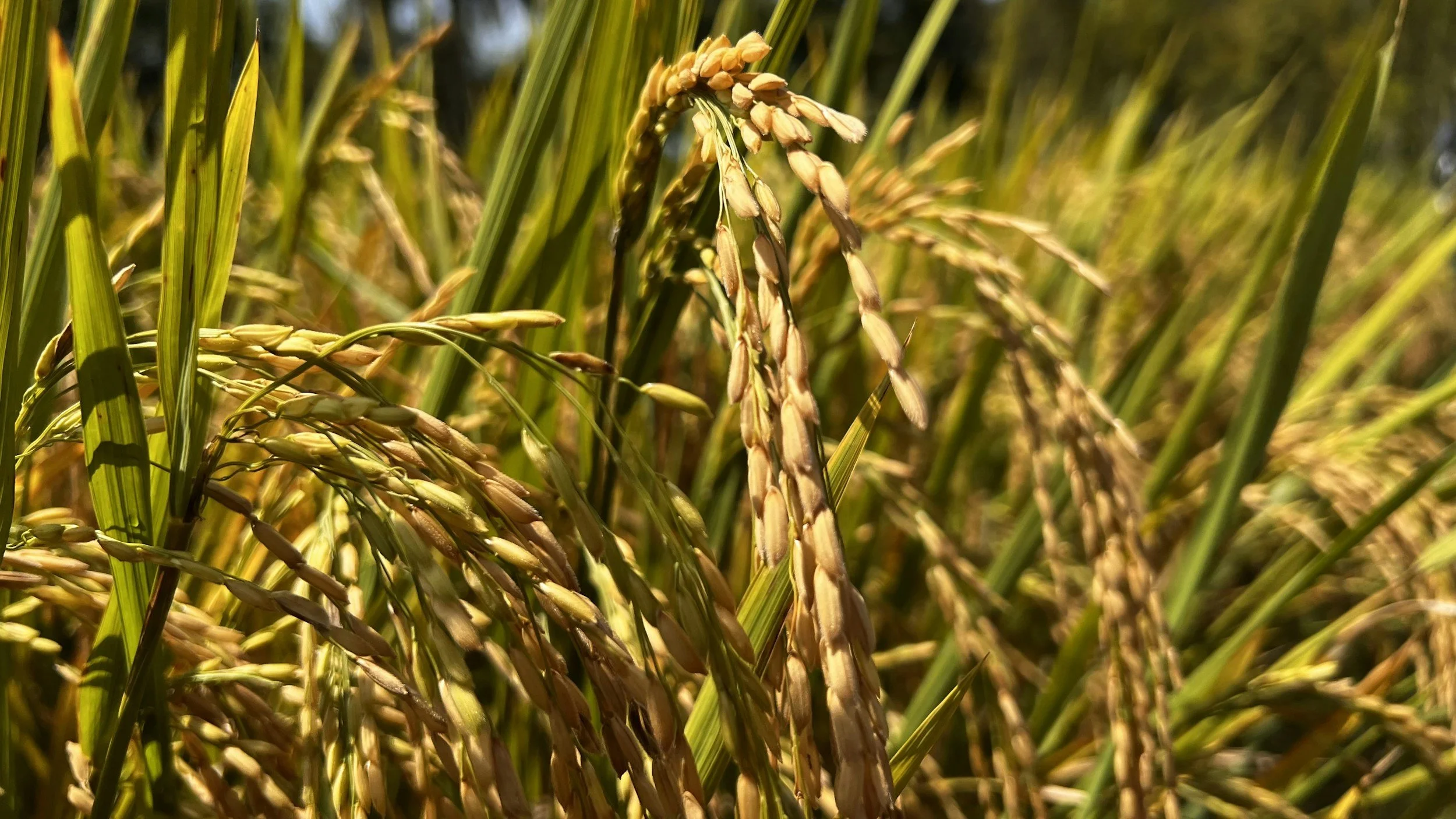
Basmati Rice
Why Import Basmati Rice from India?
India is the world’s largest producer and exporter of premium Basmati rice, supplying millions of tonnes annually to supermarkets, wholesalers, food distributors, hotels, restaurants, and private label brands across the globe. Blessed with fertile plains, an ideal climate, centuries-old farming traditions, and world-class milling infrastructure, India continues to set the global benchmark for premium-quality Basmati rice.
At Anantaa Aahaar, we combine authentic sourcing with stringent quality control and reliable export logistics to deliver exceptional rice to international markets.
⸻
Why Indian Basmati Rice is Preferred Worldwide
Superior Grain Quality
Indian Basmati rice is renowned for its extra-long grains, exceptional elongation after cooking, delicate aroma, fluffy texture, and non-sticky consistency, making it the preferred choice for premium cuisines.
Reliable Supply Capacity
India’s extensive cultivation and advanced processing facilities ensure uninterrupted supply for wholesalers, retailers, food manufacturers, and hospitality businesses worldwide.
Wide Variety of Basmati Rice
Importers can choose from premium, traditional, and value-oriented varieties based on their target market, customer preferences, and pricing strategy.
International Quality Standards
Leading exporters comply with global food safety regulations and maintain rigorous quality assurance throughout procurement, milling, packaging, and shipping.
⸻
Popular Basmati Rice Varieties Exported from India
1121 Basmati Rice
Known as the world’s longest grain Basmati rice, 1121 offers extraordinary grain elongation, premium aroma, and excellent cooking performance, making it ideal for luxury hospitality, restaurants, and export markets.
1718 Basmati Rice
Developed as an improved successor to 1121, this variety provides excellent aroma, higher agricultural yield, and superior climate resilience while maintaining outstanding grain quality.
1509 Basmati Rice
A cost-effective and early-maturing variety that delivers impressive cooking length and excellent value for retail chains, wholesalers, and institutional buyers.
Pusa Basmati Rice
A premium hybrid offering an excellent balance of aroma, texture, quality, and affordability, making it suitable for diverse international markets.
Traditional Basmati Rice
Cultivated primarily in the Himalayan foothills, Traditional Basmati is prized for its authentic aroma, heritage, and distinctive flavour.
⸻
Step 1: Choose a Reliable Basmati Rice Exporter
Selecting the right exporter is the most important decision in your import journey. A trusted supplier ensures consistent quality, timely deliveries, transparent communication, and complete export documentation.
Certifications to Look For
APEDA Registration
ISO Certification
HACCP Food Safety Certification
FSSAI Compliance
GMP Certification
Halal Certification
Kosher Certification (where applicable)
Working with an experienced exporter like Anantaa Aahaar ensures that your products meet international quality and food safety standards.
⸻
Step 2: Select the Right Rice Variety
Different regions have varying consumer preferences.
1121 Basmati Rice – Premium restaurants and fine dining
1718 Basmati Rice – Hospitality, catering, and premium retail
1509 Basmati Rice – Value retail and wholesale distribution
Traditional Basmati – Gourmet and specialty food markets
Always request Pre-Shipment Samples (PSS) to evaluate:
Grain length
Aroma
Moisture content
Broken percentage
Purity
Cooking performance
⸻
Step 3: Packaging & Private Label Solutions
Today’s global buyers increasingly prefer customized packaging and private label products.
Available Packaging Sizes
1 kg
5 kg
10 kg
20 kg
25 kg
50 kg
Packaging Options
BOPP Laminated Bags
PP Bags
Non-Woven Bags
Jute Bags
Vacuum Packaging
At Anantaa Aahaar, we also offer complete private label solutions, including custom artwork, multilingual packaging, barcode integration, and retail-ready branding.
⸻
Step 4: Minimum Order Quantity (MOQ)
Basmati rice exports are generally shipped as Full Container Loads (FCL).
Standard Container Capacity
Container
Approximate Capacity
20 ft Container
24–26 MT
40 ft Container
26–28 MT
Container shipments provide the most cost-effective freight solution for international buyers.
⸻
Step 5: Export Documentation
Proper documentation ensures smooth customs clearance and regulatory compliance.
Typical export documents include:
Commercial Invoice
Packing List
Bill of Lading
Certificate of Origin
Phytosanitary Certificate
Fumigation Certificate
Quality Inspection Reports (where required)
⸻
Step 6: International Shipping
India exports Basmati rice through major international ports, including:
Mundra Port
Kandla Port
Nhava Sheva (Mumbai)
Estimated Transit Times
Destination
Shipping Time
Middle East
7–12 Days
Africa
15–25 Days
Europe
20–30 Days
USA & Canada
30–40 Days
Professional exporters manage container stuffing, fumigation, export documentation, and shipment coordination from origin to destination.
⸻
Step 7: Customs Clearance
Once your shipment reaches the destination country, importers complete:
Customs clearance
Import duty payment
Food safety inspections
Regulatory compliance
Documentation verification
Import regulations differ by country, so buyers should consult local authorities before shipment.
⸻
Tips for First-Time Rice Importers
Before placing your first order:
Request product samples
Verify exporter certifications
Review grain specifications
Confirm packaging quality
Understand Incoterms (FOB, CIF, CFR)
Inspect pre-shipment quality reports
Work with experienced exporters offering end-to-end logistics support
These practices help reduce risks and build long-term sourcing relationships.
